
The Allure of Uncertainty
One of the primary reasons people are drawn to casinos is the thrill of uncertainty. The unpredictability of outcomes in games of chance triggers a strong emotional response, making gambling an exhilarating experience. This element of suspense keeps players engaged, often leading them to return for more. In fact, engaging in non gamstop sports betting further enriches that experience with numerous options for betting, enhancing the excitement of not knowing what will happen next.
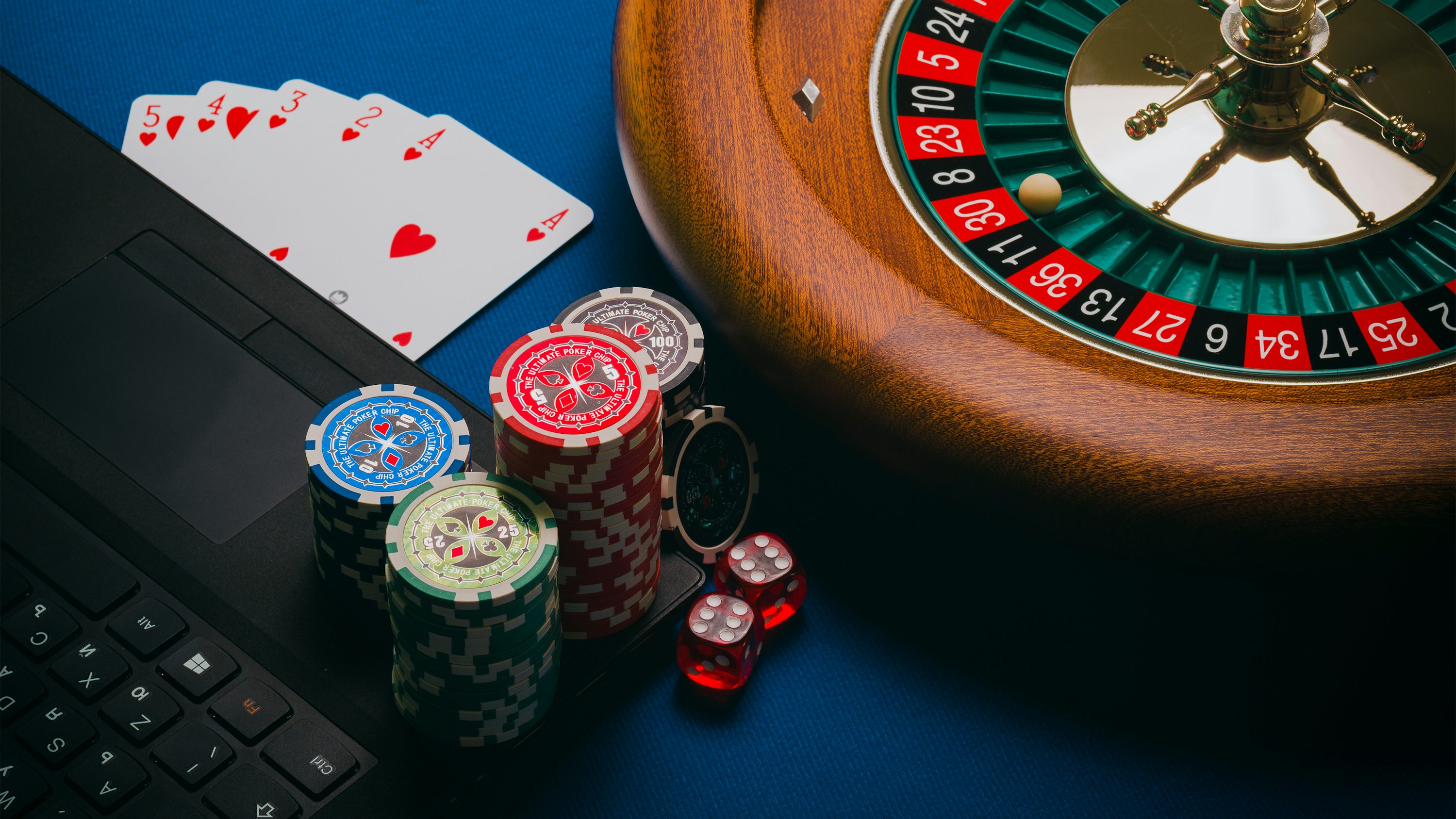
This love for uncertainty is rooted in human psychology, where the anticipation of potential rewards can be just as satisfying as the reward itself. The brain releases dopamine, a chemical associated with pleasure, when we encounter unexpected rewards, reinforcing the desire to gamble. Thus, every spin of the roulette wheel or deal of cards becomes a tantalizing experience that keeps players coming back.
The Social Experience of Gambling
Casinos are not just about games; they are also social hubs where people come together to share a unique experience. The environment buzzes with excitement, laughter, and camaraderie, further enhancing the appeal of gambling. Whether it’s celebrating wins or empathizing with losses, these shared moments create a sense of community among players.
The social element can be especially alluring, as humans are inherently social beings. Interacting with others in a casino setting can provide a sense of belonging and excitement that is often lacking in everyday life. This communal experience, coupled with the thrill of gambling, makes casinos an attractive destination for many.
The Psychological Effects of Winning
Winning in gambling is a powerful psychological motivator. The positive reinforcement gained from a win can lead to a pattern of behavior where players continuously seek out that euphoric feeling. This cycle of winning and losing plays into the psychological concept of intermittent reinforcement, where unpredictable rewards keep players engaged longer than predictable ones.
This phenomenon is why many people are enamored with the idea of hitting a jackpot. The thought of a life-changing win can cloud judgment, prompting individuals to gamble more than they typically would. The allure of chasing that high can become addictive, leading to an ongoing cycle of gambling behavior.
The Role of Design and Atmosphere
The design and atmosphere of casinos play a significant role in attracting and retaining players. Bright lights, vibrant colors, and enticing sounds are all carefully crafted to create an engaging environment. This sensory overload can heighten excitement levels and prolong the time spent in the casino.
Additionally, casinos are often designed without clocks or windows, disorienting players and making it easy to lose track of time. This strategic design element encourages longer visits, as players become engulfed in the environment. As they gamble, the thrill of the game combines with the stimulating atmosphere to create a unique form of entertainment.

Securing a Safe Gambling Environment
Understanding the psychological factors behind gambling is essential not only for players but also for casino operators. Many establishments are committed to providing a safe gambling experience, implementing measures to protect their patrons from potential risks associated with gambling addiction. Responsible gambling initiatives aim to educate players about the risks and promote healthy gaming behaviors.
The focus on security and responsible gambling helps ensure that individuals can enjoy the thrill of casinos without falling into harmful habits. As gambling continues to evolve, creating a balance between entertainment and safety remains a priority for all in the industry, ensuring that the allure of casinos can be enjoyed responsibly.