
The Allure of Chance
Casino games inherently draw players in with the thrill of chance. The unpredictability of outcomes creates an adrenaline rush that many find exhilarating. This excitement often triggers the release of dopamine, a neurotransmitter linked to pleasure and reward, making the act of playing more appealing. The prospect of winning, even against the odds, encourages players to engage in games repeatedly, as each spin or deal offers a tantalizing possibility of fortune, similar to how top crypto casinos entice their patrons with promises of big wins.
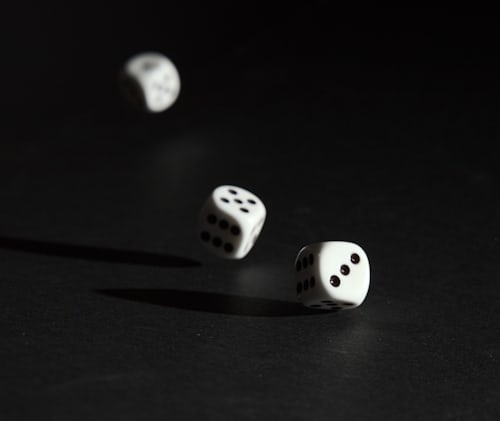
This unpredictability is a significant factor in why people are drawn to gambling in the first place. The idea that a single bet could lead to substantial gains keeps players returning for more, hoping to replicate previous successes or to eventually strike it lucky. This psychological phenomenon is reinforced by the occasional wins, which can create a false sense of consistency and reliability in an otherwise random activity.
The Role of Social Interaction
Another compelling aspect of casino games is the social environment surrounding them. Casinos are designed to be lively places where people come together to share experiences. The communal atmosphere of playing with others, whether at a card table or a slot machine, fosters a sense of belonging and excitement. This social interaction can enhance the overall experience and make gambling more enjoyable.
Moreover, the interactions with dealers and other players can lead to friendships and connections that further contribute to the desire to return. Engaging in conversations, sharing tips, or celebrating wins together nurtures a community vibe that many players cherish, making it more than just about the games themselves.
The Impact of Reinforcement Schedules
The psychology of gambling is heavily influenced by reinforcement schedules. Unlike traditional rewards that are consistent and predictable, casinos utilize variable reinforcement, where wins occur at unpredictable intervals. This randomness keeps players hooked; they may go through a long stretch of losses only to hit a significant win unexpectedly. This pattern of play enhances the thrill and encourages continuous participation.
The excitement of intermittent rewards can lead players to develop a conditioned response to gambling, making it difficult to resist the urge to play. They begin to associate the act of gambling with both entertainment and the chance of a payoff, reinforcing the cycle of behavior. Understanding these reinforcement dynamics is crucial in acknowledging why some individuals develop compulsive gambling habits.
The Illusion of Control
Many gamblers fall prey to the illusion of control, believing that they can influence outcomes through their actions. This psychological phenomenon leads players to adopt strategies, use specific rituals, or pick lucky numbers in the hopes of changing their fortunes. Such beliefs can be particularly potent in games like poker, where skill is involved, but they can also influence the way individuals approach games of pure chance.
This illusion not only enhances participants’ enjoyment but also drives them to return, fueled by the belief that their efforts may eventually lead to success. When players feel a sense of agency, they are more likely to continue playing, as they perceive themselves as active participants in their gaming experience, rather than mere spectators of chance.

Exploring Ancient Egypt and Casino Culture
While casinos provide an exciting atmosphere to engage with games of chance, it’s also fascinating to explore how gambling practices have evolved throughout history, including in ancient cultures like Egypt. The allure of fortune-seeking is timeless, with numerous historical records showcasing how ancient civilizations, including the Egyptians, engaged in games of luck and skill.
This connection to ancient gambling practices not only enriches our understanding of the game mechanics but also highlights the timeless human desire for risk and reward. As modern players indulge in the thrilling environment of casinos today, they unknowingly participate in a centuries-old tradition that speaks to the core of human psychology and social interaction.